

Diabetes Articles and Resources
Plain-language guides on medications, conditions and everyday care, to read before you talk with your prescriber or pharmacist.
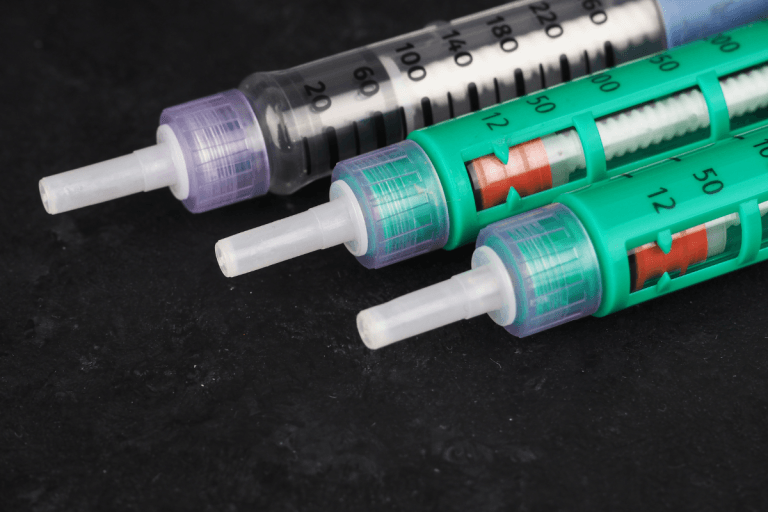
Basaglar vs Levemir Dosing: Switching and Duration
Basaglar and Levemir are both long-acting basal insulins, but they are not dosed the same for everyone. Basaglar vs Levemir dosing mainly…
Read more →
Exercise and Type 2 Diabetes: Endurance Training to Reduce Risk
Regular movement remains a core therapy for exercise and type 2 diabetes. Endurance activity can improve insulin sensitivity (how responsive cells are),…
Read more →
Glyxambi: Safety, Dosing, and Treatment Fit
Glyxambi is a prescription tablet for adults with type 2 diabetes that combines empagliflozin and linagliptin. It is used with diet and…
Read more →
How Does Byetta Cause Weight Loss? Appetite and Gut Signals
How does Byetta cause weight loss? Byetta (exenatide) can reduce weight in some adults with type 2 diabetes mainly by lowering appetite,…
Read more →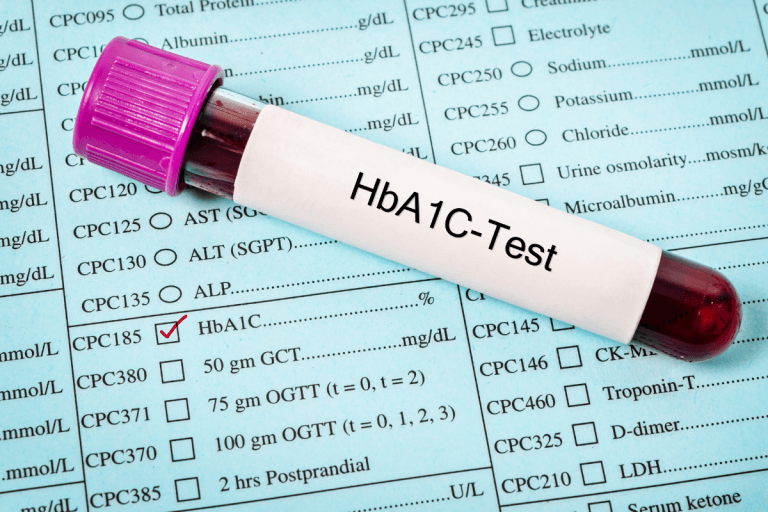
Good A1C for Type 2 Diabetes by Age and Health Status
A good A1C for type 2 diabetes is not one fixed number. For many nonpregnant adults, clinicians often discuss an A1C near…
Read more →
Trulicity VS Bydureon: Dosing, Efficacy, and Safety Guide
Choosing between weekly GLP-1 therapies can feel complex. Trulicity VS Bydureon remains a common comparison for people weighing device preferences, tolerability, and…
Read more →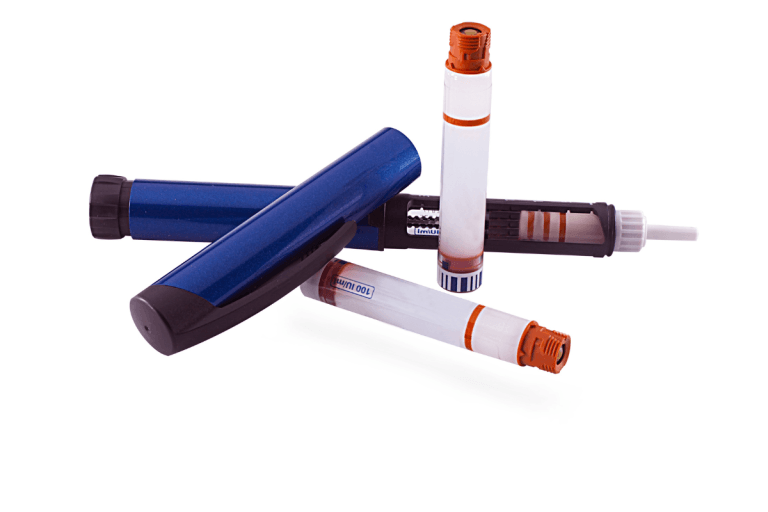
NovoMix 30 Penfill: Timing, Side Effects, and Safe Use
NovoMix 30 Penfill is a premixed insulin used to lower blood glucose in people with diabetes who need insulin therapy. For readers…
Read more →
Diabetes Food Guide Pyramid for Everyday Meal Planning
The diabetes food guide pyramid is a visual planning tool for building balanced meals with diabetes. It organizes food groups by everyday…
Read more →
Nesina Vs Januvia: Differences in Dosing and Safety
In this Nesina vs Januvia: Key Differences, Dosing, and Safety Guide, the short answer is that both medicines are DPP-4 inhibitors for…
Read more →
Basaglar KwikPen in Diabetes Care: Safety and Use Basics
The Basaglar KwikPen is a prefilled insulin pen that contains insulin glargine, a long-acting basal insulin used to help manage blood glucose…
Read more →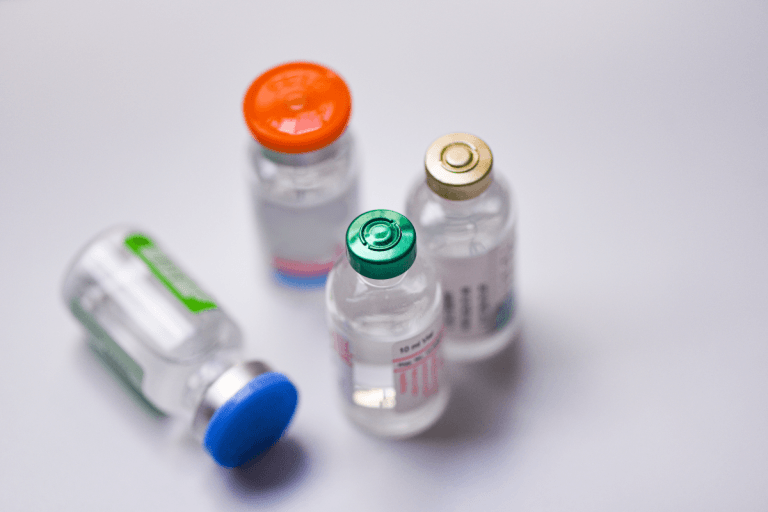
Insulin Conversions Guide: Safe Methods, Charts, and Examples
Changing insulin products or devices demands caution. You must match units, concentrations, and delivery tools to avoid dosing errors. This guide explains…
Read more →
Fiasp vs NovoLog: Differences, Onset, and Dosing Guide
Patients and clinicians often compare rapid-acting insulins, especially fiasp vs novolog, to fine-tune mealtime control. Both are insulin aspart products, but formulation…
Read more →Diabetes articles in this archive help patients, caregivers, and health-focused readers sort through common questions about blood sugar, medications, complications, and daily care. Use the topics here to compare educational guides, find condition-specific resources, and move toward product categories when you need medication details to discuss with a clinician.
How to Use These Diabetes Articles
Start with the question in front of you. Some readers need a plain comparison of type 1 diabetes and type 2 diabetes. Others want medication class explainers, food and monitoring topics, or resources about symptoms and warning signs.
A broad comparison can help when terms feel similar. Type 1 Versus Type 2 compares symptoms, causes, and care themes in patient-friendly language. Readers who already know the type they are researching can narrow into Type 2 Topics or Type 1 Topics.
- Use comparison pieces when you need differences between conditions, medications, or branded treatments.
- Use medication explainers when a class name or ingredient needs context.
- Use symptom and complication topics to prepare better clinical questions.
- Use product categories when you need a structured medication list, not general education.
What the Archive Covers
Content in this archive can include diabetes information about types of diabetes, warning signs, prevention questions, statistics, glucose (blood sugar), and medication classes. It may also cover nutrition, monitoring, weight-related care, heart and kidney concerns, and eye or nerve complications.
Because this is an article archive, titles may range from broad explainers to focused medication comparisons. A title that mentions a brand, ingredient, side effect, or dose should be read as education about that topic, not as a personal treatment recommendation.
The archive may also include articles tied to newer medicines and research terms. Treat those posts as vocabulary support when a drug class appears in news, advertising, or a prescription discussion. Regulatory status, personal risk, and product availability can vary, so confirm details with a qualified professional.
How Articles, Condition Pages, and Product Lists Differ
This page is an article archive, not a product list. Articles can explain clinical and plain-language terms. Product categories, condition pages, and medication pages serve different browsing needs, so it helps to choose the right destination before clicking through.
| Destination type | Best use |
|---|---|
| Article archive | Read background, comparison, safety, and lifestyle topics before your appointment. |
| Medication category | Compare grouped options such as Diabetes Medications or GLP-1 Agonists. |
| Condition page | Review condition-aligned product and resource lists when a diagnosis is already relevant. |
| Specific article | Use a focused explainer like GLP-1 Explained when a term appears in treatment discussions. |
Medication Reading Without Dose Changes
The best diabetes articles about medication answer category-level questions. They can explain terms such as metformin, GLP-1 receptor agonists (a medication class that affects gut hormones), SGLT2 inhibitors, DPP-4 inhibitors, and combination tablets. They should not replace the plan from your prescriber.
Common Diabetes Medications gives a class-level path before product browsing. Product categories collect medication options, but they do not decide fit, dose, or safety for you.
CanadianInsulin.com operates as a prescription referral platform, so medication pages are best used to organize questions, not to self-select or adjust treatment. Where required, prescription details may be checked with the prescriber before dispensing.
Symptom, Complication, and Monitoring Topics
Search questions often include diabetes symptoms, causes, warning signs, or how to lower blood sugar. In an archive, these topics are starting points for reading, not instructions for self-diagnosis or urgent care decisions.
Condition pages can help separate related topics from article reading. Diabetic Retinopathy covers eye-related resources, while Hypoglycemia focuses on low blood sugar. Monitoring articles may discuss timing, patterns, and questions to ask, but personal targets belong with your clinician.
Quick tip: Save notes about symptoms, lab results, and medicine changes for your care team.
Choosing the Right Reading Path
Choose a resource by the task, not by the broad topic alone. A medication comparison answers a different question than a lifestyle explainer. A product category answers a different question than an article about side effects, monitoring, or prevention.
- New to the topic: start with condition comparisons and basic terminology.
- Medication questions: focus on class explainers before reading about specific products.
- Symptom questions: treat articles as preparation for a medical conversation, not diagnosis.
- Care routines: use monitoring, food, and lifestyle resources for discussion points.
Questions about diabetes causes, prevention, or statistics can be useful, but they often need context. Age, pregnancy status, family history, medicines, and other conditions can change what information applies. Keep notes on what you read so your care team can address the details that matter.
Keep Browsing With Clear Next Steps
Choose the narrowest resource that matches your current need. If you are comparing diagnoses, use type-specific reading first. If you are reviewing a product name, start with a class explainer before opening a product category. If you are tracking complications, use condition pages to keep related topics organized.
The archive can also help you prepare better questions about diabetes medication, diabetes treatment options, daily monitoring, and related risks. Keep medical decisions with a qualified professional, especially when symptoms change or medicines are adjusted.
Use this collection as a practical map for reading, comparing, and preparing. It works best when you choose one clear topic, then move to related categories only when they answer the next question.
This content is for informational purposes only and is not a substitute for professional medical advice.
This content is for informational purposes only and is not a substitute for professional medical advice.
Frequently asked questions
About reading the Diabetes archive.
Where should I start in this diabetes article archive?
Start with the question you are trying to answer. Use type comparison articles when diagnosis terms feel unclear, medication explainers when a class name is unfamiliar, and complication resources when a symptom or screening topic needs context. The archive is for orientation and preparation, not for diagnosis or dose decisions.
How are medication articles different from product categories?
Medication articles explain terms, classes, comparisons, and safety questions in plain language. Product categories list medication options and help you compare product names or classes. Reading an article first can make product browsing easier, but treatment choice, dose, and suitability should stay with your prescriber.
Can these resources help compare type 1 and type 2 diabetes?
Yes, the archive includes comparison-style resources and type-specific paths. These can clarify how the conditions differ in causes, insulin use, symptoms, and common care themes. They should be used to understand language and prepare questions, because individual care plans depend on clinical history and lab results.
How should I use information about symptoms or warning signs?
Use symptom articles to recognize terms and organize what to discuss with a clinician. Do not use an archive page to diagnose yourself or decide whether to change treatment. If symptoms feel severe, sudden, or unsafe, local urgent care or emergency guidance may be needed.
Browse by medical condition
Products and reading lists grouped by condition, from A to Z.
All medical conditions →Looking for a medication?
Prices in USD, shown before you pay. Prescription required.
Shop all medications →The contents of CanadianInsulin.com are for informational purposes only and should not be considered medical advice. We do not guarantee the accuracy of the content on CanadianInsulin.com, nor do we assume any responsibility for any actions taken using the information found on our website. Always consult with your family physician or a qualified health care provider about any health or medical concerns.