

Infectious Disease Articles and Resources
Plain-language guides on medications, conditions and everyday care, to read before you talk with your prescriber or pharmacist.
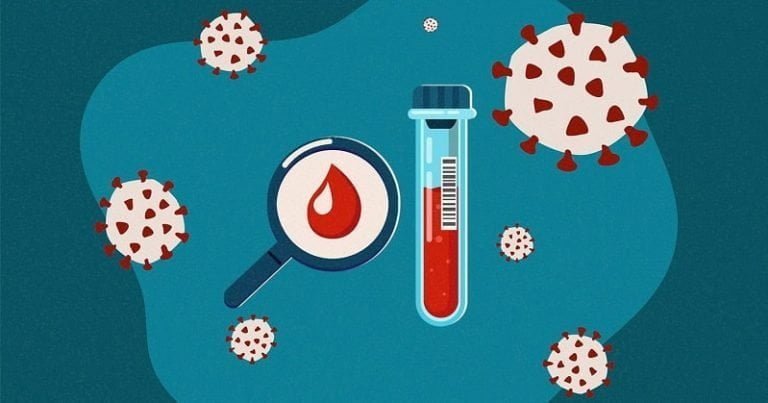
Covid and Diabetes: Blood Sugar Swings, Risks, and Recovery
Covid and diabetes can interact in two main ways: infection may push glucose higher or lower, and diabetes can raise the risk…
Read more →
Diabetes and Yeast Infections: Risks, Symptoms, and Prevention
People with diabetes face higher odds of fungal overgrowth on skin and mucosa. Understanding diabetes and yeast infections helps you recognize early…
Read more →These infectious disease articles gather patient-friendly reading on infections, chronic conditions, and medication-related questions. Use this archive to scan article themes, compare related condition resources, and choose the next page that matches your concern. The collection is especially useful when diabetes, HIV, COVID-19, urinary infections, skin infections, or fungal infections overlap with daily care questions.
Browse infectious disease articles by topic
Infections can involve pathogens (germs) such as bacteria, viruses, fungi, or parasites. This archive organizes practical explainers rather than a full infectious diseases list. It helps readers find articles about common infectious diseases, infection risks linked with chronic illness, and questions to discuss with a clinician.
Start with the topic closest to your concern, then compare related articles. Skin and fungal concerns are grouped through Diabetes and Fungal Infections and Diabetes and Yeast Infections. Urinary and skin infection themes appear in UTI and Diabetes and Cellulitis and Diabetes.
- For skin concerns, compare rash, wound, and cellulitis themes across related articles.
- For urinary symptoms, separate self-care language from red-flag guidance.
- For COVID-19 topics, look for vaccine, illness, and chronic-condition context.
- For HIV-related topics, distinguish condition resources from medication-focused explainers.
Questions readers often bring to this archive
Many readers arrive with broad questions about a top 10 infectious diseases list, a list of 20 communicable diseases, or how infections spread. This page narrows those searches to articles available in this archive. It is not a public-health encyclopedia, and it should not be used to identify a diagnosis.
| Common question | How this collection helps |
|---|---|
| What causes infection? | Look for articles that name bacterial, viral, fungal, or parasitic causes when relevant. |
| How are infectious diseases spread? | Articles may discuss respiratory droplets, direct contact, blood exposure, sex, food, water, or surfaces. Transmission varies by condition. |
| Which common infectious diseases appear here? | Start with urinary tract infections, yeast and fungal infections, cellulitis, COVID-19, and HIV-related resources. |
| When might specialist input matter? | Articles can help prepare questions, but a clinician decides whether infectious disease specialist care is needed. |
Diabetes, skin, and urinary infection reading
People living with diabetes may use infection articles to understand why skin, yeast, or urinary questions come up during routine care. This archive includes symptom explainers, prevention-oriented reading, and red-flag discussions. The article on Managing Yeast Infections in Diabetes can be compared with urinary topics to see how body area, symptoms, and clinical follow-up differ.
The UTI article group also includes OTC UTI Relief and Red Flags, which is useful for separating comfort measures from warning signs. Read these pages as educational material. They are not instructions to start antibiotics, delay care, or change diabetes treatment.
Why it matters: Infection risks can change when chronic conditions affect immune response.
COVID, HIV, and immune-response topics
COVID-19 and HIV topics often raise different reading needs. Some readers want vaccine context, while others want to understand medication interactions or chronic-condition risk. The archive includes Diabetes and COVID Vaccine and COVID and Diabetes for readers comparing illness, prevention, and diabetes-related concerns.
For HIV-related browsing, the HIV Infection condition page offers a condition-aligned starting point. The article on Metformin and ART Side Effects discusses antiretroviral therapy (ART) in a medication context. If an article mentions therapy changes, use it to frame clinician questions, not to adjust treatment on your own.
Medication and access context in related pages
Some articles mention diabetes, cardiovascular, or kidney medications because chronic disease can shape infection conversations. Related medication and condition pages are browsing tools, not prescribing instructions. The Type 2 Diabetes Articles archive and the Type 2 Diabetes condition page can help readers separate general education from condition-specific product browsing.
CanadianInsulin.com is a prescription referral platform. When an article topic connects to prescription access, prescription details may be checked with the prescriber when required, and licensed third-party pharmacies may handle dispensing where permitted. This process does not replace individual medical review.
How to choose a useful next read
Use these infectious disease articles as a reading map. Identify the infection topic first, then look for chronic-condition overlap, medication context, or red-flag language. If the article answers only part of your question, move to a related condition page or a more focused explainer.
- Choose symptom-topic articles when you need terms explained in plain language.
- Choose condition pages when you want to see related medical topics grouped together.
- Choose medication-focused explainers when an infection topic overlaps with a prescribed drug.
- Choose vaccine or prevention articles when your question is about exposure risk or preparation.
Quick tip: Match the article topic to your main question before comparing details.
For urgent symptoms, personalized risks, or medication changes, a licensed clinician is the right source. This archive can help you organize questions before that conversation.
This content is for informational purposes only and is not a substitute for professional medical advice.
This content is for informational purposes only and is not a substitute for professional medical advice.
Frequently asked questions
About reading the Infectious Disease archive.
Where should I start in this infectious disease archive?
Start with the problem type, such as urinary symptoms, skin changes, COVID-19 questions, HIV-related reading, or infection topics linked with diabetes. Then compare related articles for symptom terms, prevention language, red flags, and clinician discussion points. This archive works best as a reading path, not as a diagnostic tool or treatment plan.
Does this category include a complete infectious diseases list?
No. This archive is not a complete infectious diseases list or a public-health reference for every communicable disease. It focuses on infection topics represented on CanadianInsulin.com, especially where infections overlap with diabetes, HIV, COVID-19, skin concerns, urinary tract infections, or medication-related questions. Broader disease lists may need official public-health resources.
How are infectious diseases spread?
Infectious diseases can spread in different ways, including respiratory droplets, direct contact, contaminated food or water, blood exposure, sexual contact, insect bites, or contaminated surfaces. The route depends on the organism and condition. Articles in this archive may discuss transmission only when it fits the topic, so use condition-specific information when comparing risks.
When should an infectious disease article lead to clinician discussion?
Use an article as a prompt for clinician discussion when symptoms are severe, recurring, spreading, unusual, or linked with immune-system concerns. Discussion is also important when an infection topic overlaps with diabetes, HIV, kidney disease, pregnancy, or prescription medicines. Articles can help organize questions, but they cannot confirm a diagnosis or recommend personal treatment changes.
Browse by medical condition
Products and reading lists grouped by condition, from A to Z.
All medical conditions →Looking for a medication?
Prices in USD, shown before you pay. Prescription required.
Shop all medications →The contents of CanadianInsulin.com are for informational purposes only and should not be considered medical advice. We do not guarantee the accuracy of the content on CanadianInsulin.com, nor do we assume any responsibility for any actions taken using the information found on our website. Always consult with your family physician or a qualified health care provider about any health or medical concerns.