

Community articles
Plain-language guides on medications, conditions and everyday care, to read before you talk with your prescriber or pharmacist.
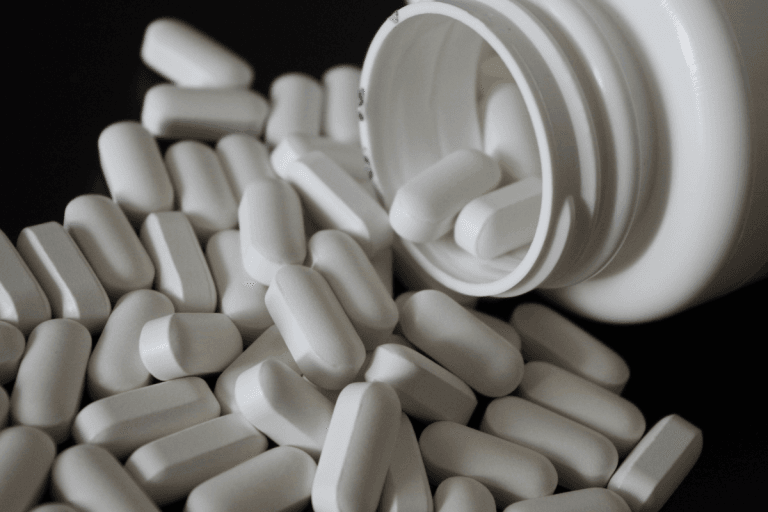
Janumet Uses: Indications, Dosing, and Safety Points
Janumet uses center on lowering glucose in adults with type 2 diabetes. It combines sitagliptin and metformin, so it may be prescribed…
Read more →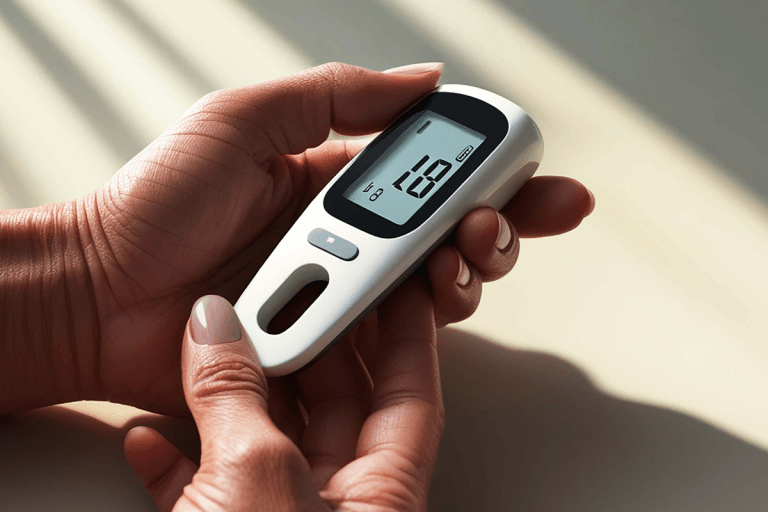
What Is the Best Blood Glucose Meter for Daily Diabetes Care?
If you are asking what is the best blood glucose meter, the safest answer is: the one that gives reliable readings, fits…
Read more →
Classification of Diabetes Mellitus: Diagnosis Guide and Criteria
Understanding how diabetes is diagnosed and grouped helps align testing, documentation, and care. This overview translates standards into practical steps you can…
Read more →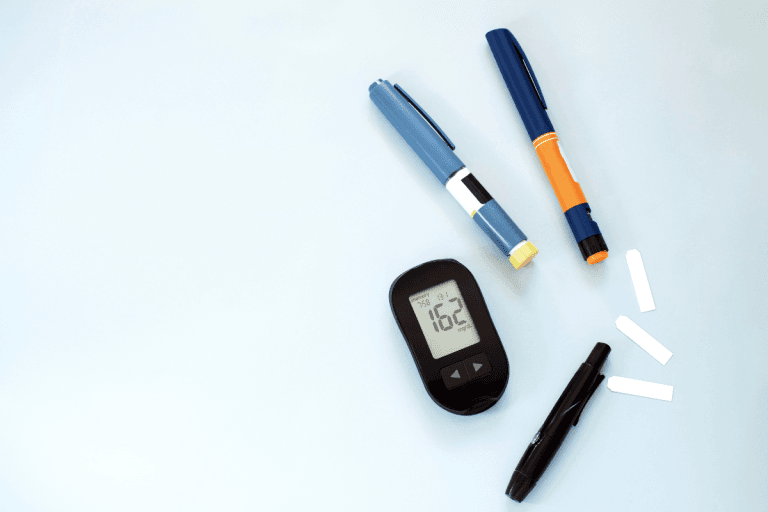
Novolin vs Lantus: Differences, Uses, and Switching Tips
Understanding novolin vs lantus helps you compare intermediate-acting NPH with long-acting glargine. This overview explains pharmacology, dosing patterns, timing with meals, and…
Read more →
Lispro vs Regular Insulin for Meals, Timing, and Dosing
Lispro vs regular insulin mostly comes down to speed. Lispro is a rapid-acting mealtime insulin that starts working sooner, while regular human…
Read more →
Repaglinide Dosage: Meal Timing and Safety Cautions
Repaglinide dosage is built around meals, not a fixed once-daily schedule. For many adults, it is taken shortly before each main meal,…
Read more →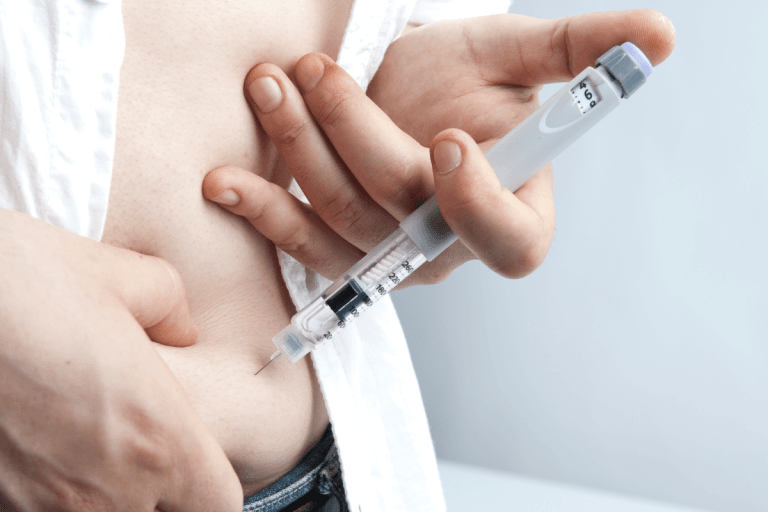
Lantus Half Life Guide: Onset, Peak, and Duration Explained
Understanding lantus half life helps you plan steady basal coverage. Half-life describes drug elimination, while duration describes how long glucose-lowering effects persist.…
Read more →
Glipizide vs Januvia: Differences, Side Effects, and Dosing Guide
Choosing between glipizide vs januvia requires a clear view of mechanisms, benefits, and risks. Both lower blood glucose in type 2 diabetes,…
Read more →
Diabetes Insipidus and Alcohol: Risks, Hydration, and Safety
Alcohol can be risky for people with diabetes insipidus and alcohol questions usually come down to one issue: fluid balance. Diabetes insipidus…
Read more →
Glimepiride vs Glyburide: Key Differences, Effects, and Use
Choosing between these sulfonylureas can feel nuanced. Glimepiride vs glyburide compares two long-used oral agents that increase insulin release from pancreatic beta…
Read more →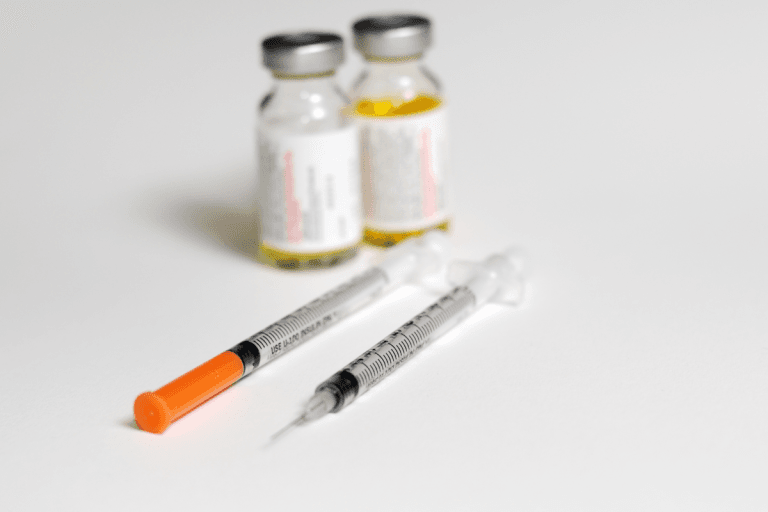
Novolin R vs Novolog: A Practical Guide to Timing and Switching
Choosing between novolin r vs novolog starts with understanding how each insulin behaves. Novolin R is human regular insulin, while Novolog is…
Read more →
Repaglinide Side Effects: Warnings, Risks, and Monitoring
Repaglinide side effects can include hypoglycemia (low blood sugar), weight gain, diarrhea, headache, joint or back pain, and cold-like symptoms. The main…
Read more →Browse by medical condition
Products and reading lists grouped by condition, from A to Z.
All medical conditions →Looking for a medication?
Prices in USD, shown before you pay. Prescription required.
Shop all medications →Disclaimer: The content on Canadian Insulin is provided for informational purposes only and is not intended to replace professional medical advice, diagnosis, or treatment. Always seek the advice of your physician or another qualified healthcare provider with any questions you may have about a medical condition, medication, or treatment plan. If you think you may be experiencing a medical emergency, call 911 or go to the nearest emergency room immediately.