

Diabetes Articles and Resources
Plain-language guides on medications, conditions and everyday care, to read before you talk with your prescriber or pharmacist.
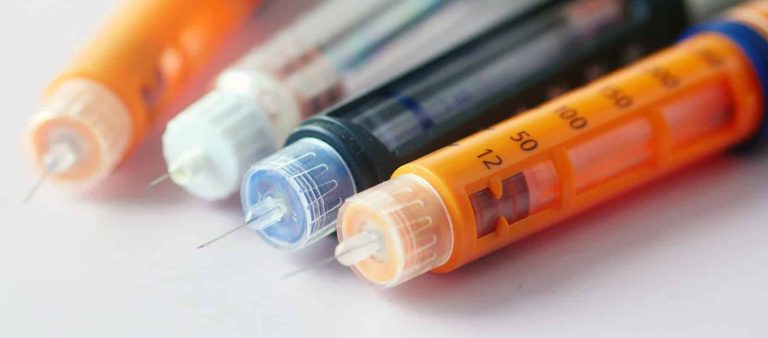
Biosimilar Insulin and Glargine Alternatives in Daily Care
Biosimilar insulin is a highly similar version of an approved biologic insulin, designed to have no clinically meaningful differences from its reference…
Read more →
Type 4 Diabetes: Recognition, Symptoms, and Next Steps
Type 4 diabetes is a proposed term for age-related insulin resistance seen in some older adults, often people who are not living…
Read more →
How to Sleep Better With Diabetes and Fewer Night Wakings
To sleep better with diabetes, focus on four levers first: steadier overnight glucose, a consistent sleep schedule, a cooler and darker bedroom,…
Read more →
Insulin Sensitivity: Safer Ways to Improve Glucose Control
Insulin sensitivity means how well your muscle, liver, and fat cells respond to insulin. Higher insulin sensitivity usually helps the body move…
Read more →
Insulin Shots for Dogs: Dosing, Sites, and Safety
Most dogs with diabetes need insulin shots for dogs every day, usually timed around meals and guided by a veterinarian. The goal…
Read more →
Kiwi and Diabetes: Glycemic Impact, Portions, and Swaps
Kiwi can fit into many diabetes meal plans when the portion is measured and counted with the rest of the meal. Kiwi…
Read more →
Best Teas for Diabetes and Their Real-World Limits
The best teas for diabetes are usually plain, unsweetened teas that replace higher-sugar drinks. Green tea has the strongest research signal, but…
Read more →
Diabetes and Green Tea: Evidence-Based Guide to Safe Use
Many people ask how Diabetes and Green Tea fit together in daily care. Green tea contains catechins (notably EGCG) and modest caffeine,…
Read more →
Type 2 Diabetes Breakfast Ideas for Steadier Mornings
The most useful type 2 diabetes breakfast ideas combine protein, fiber-rich carbohydrates, healthy fats, and portions that match your routine. There is…
Read more →
Bone Problems and Diabetes: Risks, Signs, and Prevention
Bone problems are conditions that weaken, deform, inflame, or damage bones and joints. In people living with diabetes, these issues matter because…
Read more →
Hypertension and Diabetes: Low Blood Pressure Risks
Low blood pressure can happen even when someone has a history of high blood pressure. In hypertension and diabetes, a low reading…
Read more →
Diabetes Attack Symptoms: Warning Signs and First Aid
A diabetes attack is a sudden diabetes-related crisis, usually from blood sugar that falls too low or rises dangerously high. It can…
Read more →Diabetes articles in this archive help patients, caregivers, and health-focused readers sort through common questions about blood sugar, medications, complications, and daily care. Use the topics here to compare educational guides, find condition-specific resources, and move toward product categories when you need medication details to discuss with a clinician.
How to Use These Diabetes Articles
Start with the question in front of you. Some readers need a plain comparison of type 1 diabetes and type 2 diabetes. Others want medication class explainers, food and monitoring topics, or resources about symptoms and warning signs.
A broad comparison can help when terms feel similar. Type 1 Versus Type 2 compares symptoms, causes, and care themes in patient-friendly language. Readers who already know the type they are researching can narrow into Type 2 Topics or Type 1 Topics.
- Use comparison pieces when you need differences between conditions, medications, or branded treatments.
- Use medication explainers when a class name or ingredient needs context.
- Use symptom and complication topics to prepare better clinical questions.
- Use product categories when you need a structured medication list, not general education.
What the Archive Covers
Content in this archive can include diabetes information about types of diabetes, warning signs, prevention questions, statistics, glucose (blood sugar), and medication classes. It may also cover nutrition, monitoring, weight-related care, heart and kidney concerns, and eye or nerve complications.
Because this is an article archive, titles may range from broad explainers to focused medication comparisons. A title that mentions a brand, ingredient, side effect, or dose should be read as education about that topic, not as a personal treatment recommendation.
The archive may also include articles tied to newer medicines and research terms. Treat those posts as vocabulary support when a drug class appears in news, advertising, or a prescription discussion. Regulatory status, personal risk, and product availability can vary, so confirm details with a qualified professional.
How Articles, Condition Pages, and Product Lists Differ
This page is an article archive, not a product list. Articles can explain clinical and plain-language terms. Product categories, condition pages, and medication pages serve different browsing needs, so it helps to choose the right destination before clicking through.
| Destination type | Best use |
|---|---|
| Article archive | Read background, comparison, safety, and lifestyle topics before your appointment. |
| Medication category | Compare grouped options such as Diabetes Medications or GLP-1 Agonists. |
| Condition page | Review condition-aligned product and resource lists when a diagnosis is already relevant. |
| Specific article | Use a focused explainer like GLP-1 Explained when a term appears in treatment discussions. |
Medication Reading Without Dose Changes
The best diabetes articles about medication answer category-level questions. They can explain terms such as metformin, GLP-1 receptor agonists (a medication class that affects gut hormones), SGLT2 inhibitors, DPP-4 inhibitors, and combination tablets. They should not replace the plan from your prescriber.
Common Diabetes Medications gives a class-level path before product browsing. Product categories collect medication options, but they do not decide fit, dose, or safety for you.
CanadianInsulin.com operates as a prescription referral platform, so medication pages are best used to organize questions, not to self-select or adjust treatment. Where required, prescription details may be checked with the prescriber before dispensing.
Symptom, Complication, and Monitoring Topics
Search questions often include diabetes symptoms, causes, warning signs, or how to lower blood sugar. In an archive, these topics are starting points for reading, not instructions for self-diagnosis or urgent care decisions.
Condition pages can help separate related topics from article reading. Diabetic Retinopathy covers eye-related resources, while Hypoglycemia focuses on low blood sugar. Monitoring articles may discuss timing, patterns, and questions to ask, but personal targets belong with your clinician.
Quick tip: Save notes about symptoms, lab results, and medicine changes for your care team.
Choosing the Right Reading Path
Choose a resource by the task, not by the broad topic alone. A medication comparison answers a different question than a lifestyle explainer. A product category answers a different question than an article about side effects, monitoring, or prevention.
- New to the topic: start with condition comparisons and basic terminology.
- Medication questions: focus on class explainers before reading about specific products.
- Symptom questions: treat articles as preparation for a medical conversation, not diagnosis.
- Care routines: use monitoring, food, and lifestyle resources for discussion points.
Questions about diabetes causes, prevention, or statistics can be useful, but they often need context. Age, pregnancy status, family history, medicines, and other conditions can change what information applies. Keep notes on what you read so your care team can address the details that matter.
Keep Browsing With Clear Next Steps
Choose the narrowest resource that matches your current need. If you are comparing diagnoses, use type-specific reading first. If you are reviewing a product name, start with a class explainer before opening a product category. If you are tracking complications, use condition pages to keep related topics organized.
The archive can also help you prepare better questions about diabetes medication, diabetes treatment options, daily monitoring, and related risks. Keep medical decisions with a qualified professional, especially when symptoms change or medicines are adjusted.
Use this collection as a practical map for reading, comparing, and preparing. It works best when you choose one clear topic, then move to related categories only when they answer the next question.
This content is for informational purposes only and is not a substitute for professional medical advice.
This content is for informational purposes only and is not a substitute for professional medical advice.
Frequently asked questions
About reading the Diabetes archive.
Where should I start in this diabetes article archive?
Start with the question you are trying to answer. Use type comparison articles when diagnosis terms feel unclear, medication explainers when a class name is unfamiliar, and complication resources when a symptom or screening topic needs context. The archive is for orientation and preparation, not for diagnosis or dose decisions.
How are medication articles different from product categories?
Medication articles explain terms, classes, comparisons, and safety questions in plain language. Product categories list medication options and help you compare product names or classes. Reading an article first can make product browsing easier, but treatment choice, dose, and suitability should stay with your prescriber.
Can these resources help compare type 1 and type 2 diabetes?
Yes, the archive includes comparison-style resources and type-specific paths. These can clarify how the conditions differ in causes, insulin use, symptoms, and common care themes. They should be used to understand language and prepare questions, because individual care plans depend on clinical history and lab results.
How should I use information about symptoms or warning signs?
Use symptom articles to recognize terms and organize what to discuss with a clinician. Do not use an archive page to diagnose yourself or decide whether to change treatment. If symptoms feel severe, sudden, or unsafe, local urgent care or emergency guidance may be needed.
Browse by medical condition
Products and reading lists grouped by condition, from A to Z.
All medical conditions →Looking for a medication?
Prices in USD, shown before you pay. Prescription required.
Shop all medications →The contents of CanadianInsulin.com are for informational purposes only and should not be considered medical advice. We do not guarantee the accuracy of the content on CanadianInsulin.com, nor do we assume any responsibility for any actions taken using the information found on our website. Always consult with your family physician or a qualified health care provider about any health or medical concerns.